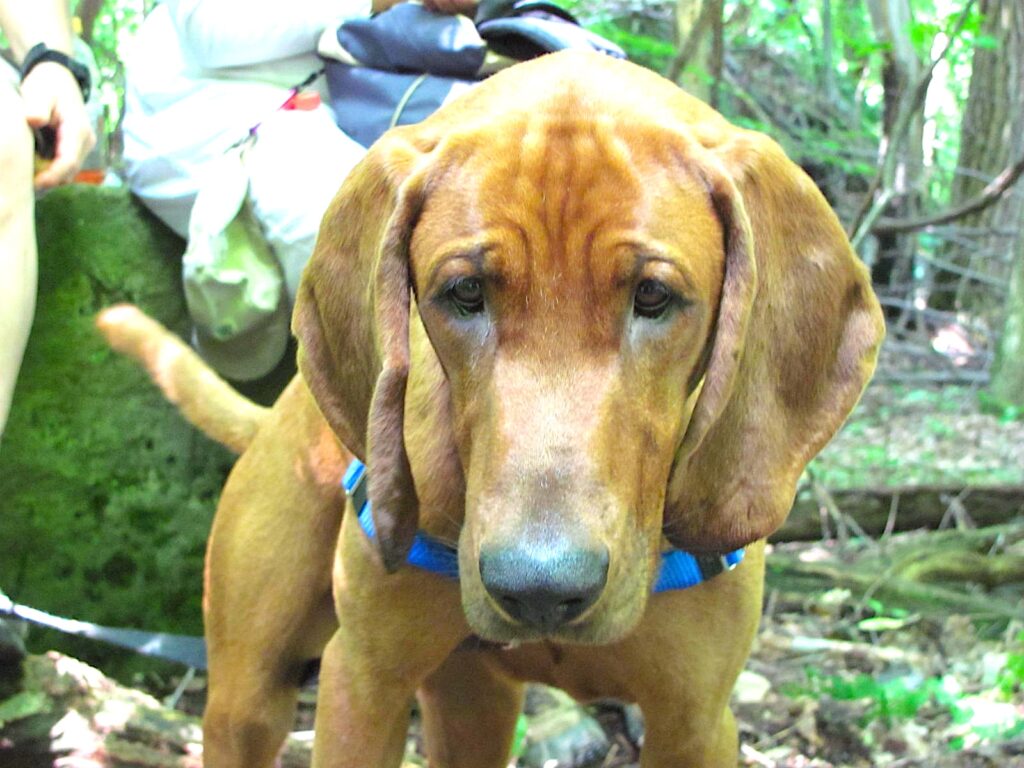
in the woods, mostly
December 1993
How safe are you in the woods? Is there an eternal, undeniable, inescapable risk of life and limb? Take bears. Are they really as dangerous as the grizzlies in Glacier National Park? Or are they as goofy and playful as Yogi, or as philosophical as Pooh?
There are, of course, no definitive answers to these questions, but there is some illuminating information. Paul Rauber wrote an article in 1993 for Sierra Magazine. It’s called “When Nature Turns Nasty,” and offers some true facts on the dangers of hobnobbing with the residents of wilderness areas, and sheds light on what the media has done for the reputation of, among other critters, the bear.
Grizzly bears kill about one person every other year. We humans respond by labeling the occurrence “epidemic.” From Rauber’s article: “In the month following two deadly bear attacks in south-central Alaska, seventeen bears were killed — by humans.”
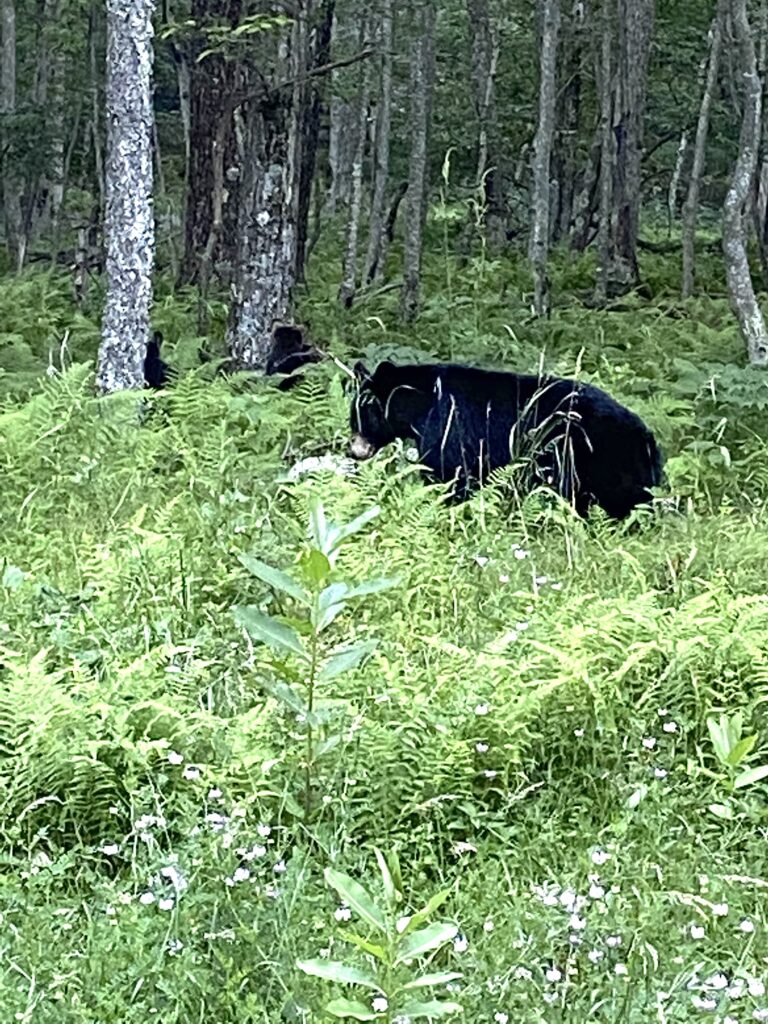
Is this human reaction warranted? After all, the most famous predators dangerous to humans in the wild are bears.
This is a lie, but bears seem to get the most column space. Behold relevant statistics…
On average, 130 human deaths occur each year at the hands (hands?) of the number one animal on the hit parade: deer. Deer! No, not bear. Deer.
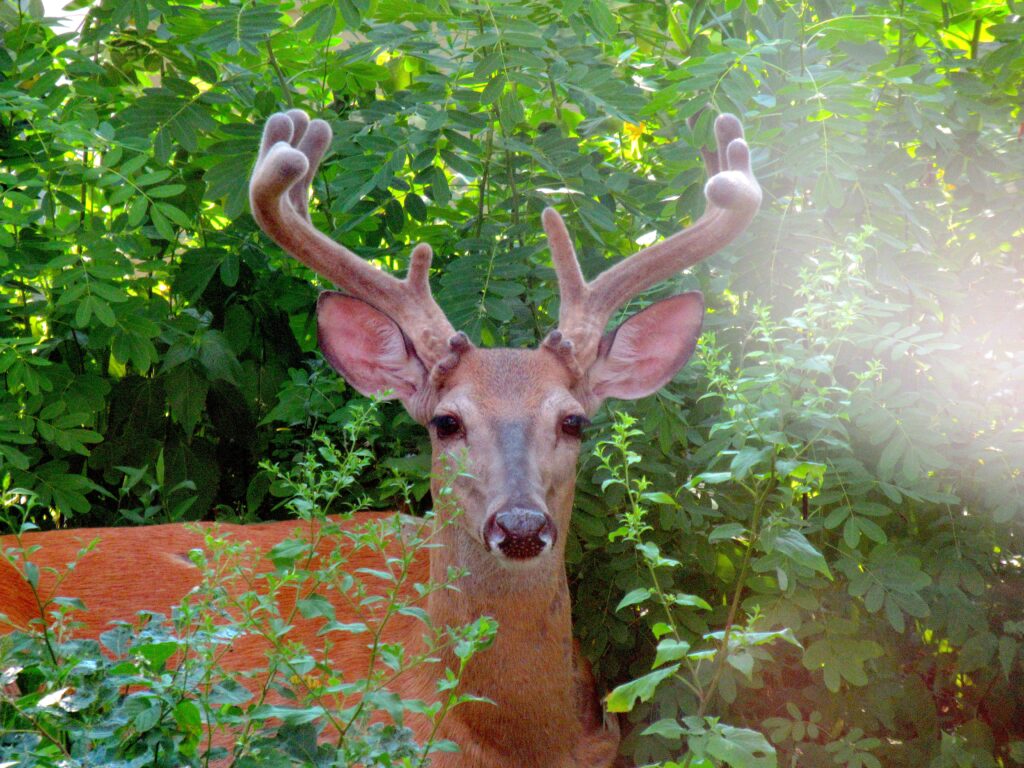
Actually, most of these deer-related human deaths occur when a human drives his car into a deer.
Bears must be second on the list of murderers. Nope. Number two: bees. Bees score 43 deaths per year. Bears third? Nope. Dogs are next with 14 deaths. Dogs! Trailing Rover are rattlesnakes, 10, and spiders 4.
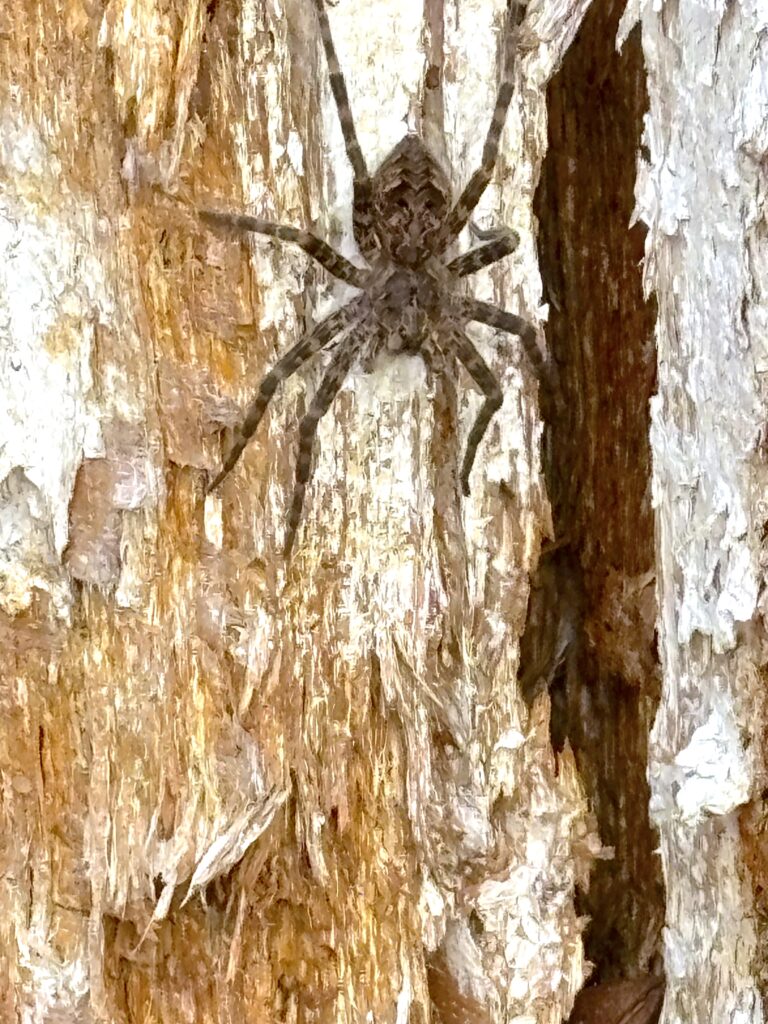
Where are the bears? Continue down the list until you get to the 15th most dangerous animal and there they are, trailing those perennial monsters, jellyfish and goats. Bears are less dangerous than jellyfish and less dangerous than goats! Bears are famous for unprovoked killings of humans in the wild and yet, they average fewer murders than spiders, fewer than goats, fewer even than dogs! And we invite dogs into our homes!

Given these statistics, Paul Beier, lion specialist at the U of Arizona, suggests, “…if our subconscious minds responded to more realistic risks, we’d all be having bad dreams about Bambi. Bears, however, may be a special case, because they are so much like us; plantigrades with eyes that swivel and mothers who dote on their young.” Many grizzly attacks occur, in fact, when hikers, joggers, or mountain bikers surprise a sow with cubs.
Let’s get a perspective on this alarming toll on human life, inflicted by the great untamed. Pittsburgh is one of the safest large cities in the United States. Yet, in 1992, there were 46 homicides. That same year, bears killed, in the whole country, two Americans. It reads like a lopsided football score: Pittsburgh, 46; Bears, 2.
One more statistic. How safe are the woods, humans vis-à-vis humans. In 1991 in the U S of A, there was one murder for every 10,000 persons. In our national parks, there was one homicide for every 16 million visitors. Outside the Parks, folks were getting offed at a rate 1543 times as often as inside. And by the way, those 24,720 murders do not include the two accomplished by bears.
Now, in terms of safety, where would you rather be? I’ll risk a nervous prance through a mob of gangland spiders and street jellyfish any day.