
part I
Some time ago, I happened upon an article that announced the fastest time for running the Appalachian Trail. This means that a guy — Karel Sabbe — ran from one end of the Appalachian Trail, Springer Mountain in Georgia, to the other end, Mount Katahdin in Maine — a distance of 2190 miles. He did this in a bit over 41 days which is an average pace of just over 53 miles a day.
Well, this all got me to thinking.
Given my background and experience on the hiking trail, what the hey! This is such an inappropriate use of the Appalachian Trail. The A T is a foot trail, designed for hiking, hiking feet, not running feet.
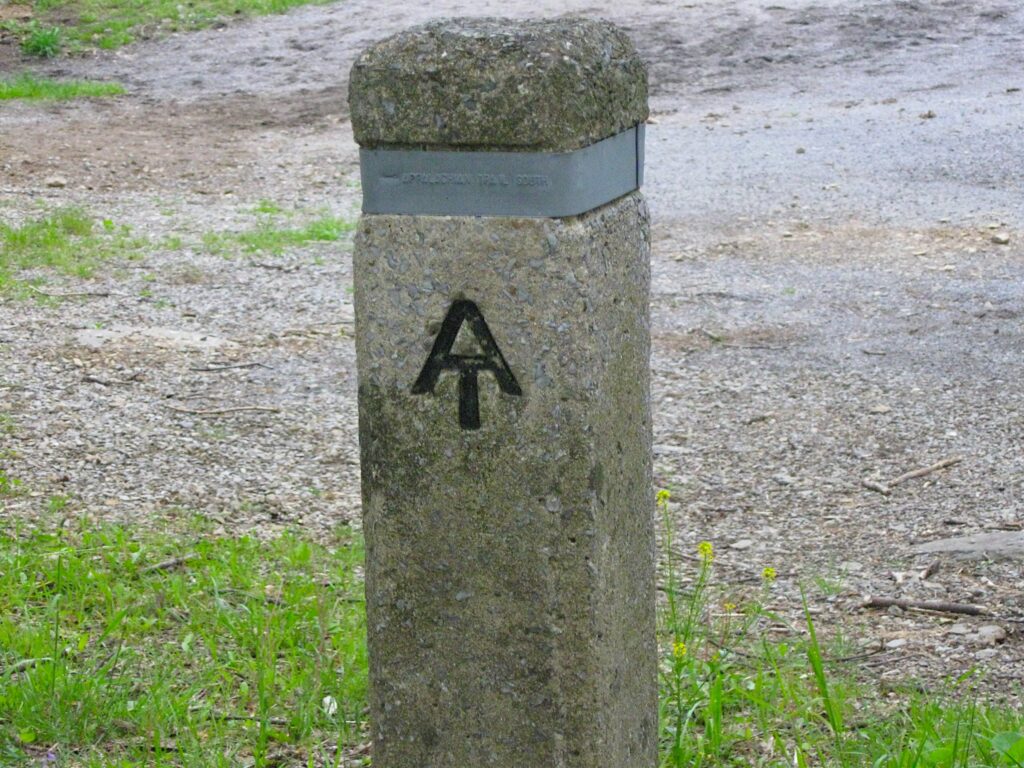
It is a foot trail, a hiking trail. Much of the environment of the Appalachian Trail holds some of the most beautiful forested places on Earth, especially when making multi-night trips, hiking and camping along the way. Get out there and enjoy what it is and breathe it in. Observe the locals, the critters who live there: the elk, the wolves, the moose and the bear, deer, fox and raccoon. The soaring hawks, the melodious songbirds. Even the mosquitoes. Mosquitoes? Okay, too much.
Pay attention to the spruce and fir, the maple, beech, oak, ash, what’s left of it, walnut, sycamore, chestnut, tulip and hemlock. More than its share of dogwood, rhododendron, laurel, fern and moss, jewel weed and bioluminescent mushroom.
Why this list of Trail-dwelling flora? Because these, and a million more reasons, are why we hike the Appalachian Trail. When you are blistering up the trail as fast as you can go, you don’t have the time to savor the environment that spawned this dreamworld, this real-life fairyland.The Fastest Among Us
part II
Nonetheless, while the average time it takes to traverse the A T is about five months, hiking (running) this trail in 41 days is impressive. In spite of my distaste of running this granddaddy of all hiking trails, let me tell you about some other speed demons.
To cover the distance in that amount of world-record time, Karel Sabbe hiked/ran just over 2.2 miles per hour. This however is a misleading number because it includes time he was horizontal, sleeping, icing his shins, or taking other types of breaks, such as, as they say, visiting the woods.
Let’s say he actually moved up the trail for 12 hours a day. (I have no idea how many hours a day he ran, so this is a guess.) It means a pace of 4.4 miles per hour, much more realistic.
How does this compare with other fast running?
Usian Bolt, the fastest human alive, has run 27.8 miles per hour but only for short bursts, like 100 meters, or 328 feet. Were he to run at that rate for a few hours, he would likely burst into flames, or his limbs would fall, willy nilly, all over the track. But he could cover the A T in 77 hours, or just over three days.
On the downside, he’d miss every caterpillar and gnat on the trail.
27.8 miles per hour. I had a car once that could do that.
Animals can run faster. North African ostriches can regularly hit 40 miles per hour. They look like idiots, but still, they are the fastest bird on land which is an honor equivalent to being voted prettiest fat girl at the dance. But they are fast because their legs are long.
One of our best friends, the greyhound, can just beat the ostrich at 43 miles per hour.
How about thoroughbred racehorses, who are trained for moving over the ground at high speed? 55 mph. Same as the pronghorn antelope, who are not known for their speed training.
At the top of the speed race, we have the fastest of all animals on land, the cheetah. Extraordinarily elegant at high speed, especially when caught by a slow motion camera, these cats can hit 61 mph! One astonishing supercheetah was clocked at 68 miles per hour! Faster than the national speed limit.
Then there are the speed freaks who move through liquid. The sail fish, the world’s fastest fish, can slice through the water at 75 mph.
What about those animals who are not burdened by gravity. Let us soar. The spur-winged goose flies at 88 mph.
The frigatebird is capable of cutting the air at 95 mph and in a show of endurance, can stay aloft for more than a week at a time. At this speed, it would need less than a day to cover the Appalachian Trail.
The white throated needletail can do 106, but these folks are slowpokes compared to the king of bird speed, the peregrine falcon, the fastest animal on the planet. Dig this; they tuck in their wings becoming teardrop shaped and routinely reach an airspeed of 161 miles per hour! But wait. In a dive, this monster has been clocked at up to 242 miles per hour, setting off car alarms all over the neighborhood. Only the most agile prey has any chance of surviving a peregrine attack.
Stamina? Did someone say something about stamina? Well, it turns out that we humans are not such slouches after all.
Yes, the frigatebird can hang out in the air for eight days, defining endurance. But…The Fastest Among Us
part III
…but so can we. We can outrun, endurance-wise, almost any animal. We are familiar with panting, that mechanism animals use to stay cool when exerting themselves. Humans sweat. Much more efficient, and it’s what allows us to maintain exercise levels of performance for long periods of time. We are just about the only animals (the thoroughbred racehorse is an exception) that can run a marathon. We have the ability to cover 26.2 miles at one effort. Take that, all you speed demons. Ha!
So okay, we can outlast most animals. But in an attack? Do you think they will leisurely pace us, y’know, hanging back, reading the newspaper, sipping a margarita before they strike?
When it comes down to it, who can we outrun? What kind of head start do we need to get away from a big cat, or even a little bear? After all, we are quite tasty, to them.
could you outrun a rattlesnake?
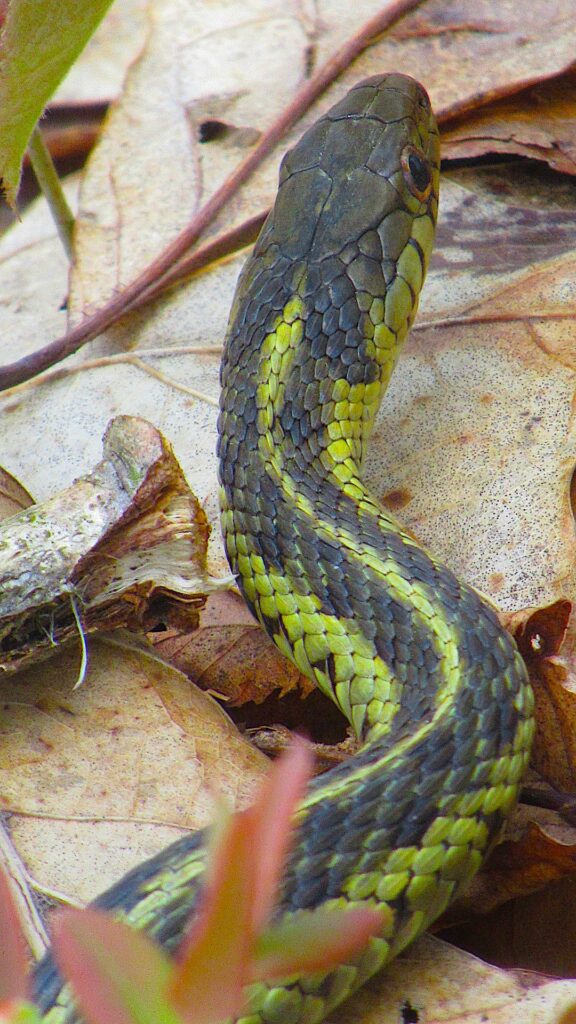
Don’t step on it, just run away. They clock in at about 3 mph.
how about an alligator?
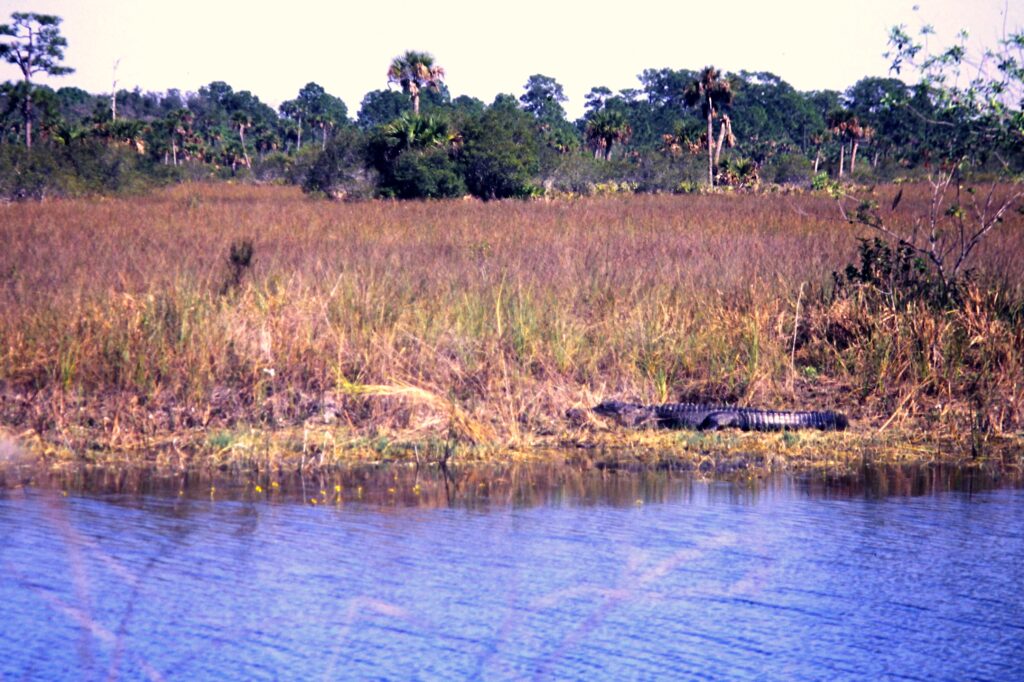
These guys can motor at 11 mph. Get a short head start and you’ll be okay. Oh, and that business about running in a zigzag? Don’t waste your time, just get your sorry ass in gear.
a tiger?
Scary as this might be — 35 mph, and serious teeth — just outrun it for a few moments and it will probably lose interest. They tend to ambush rather than run down. Probably.
a lion?
Just a tad slower than tigers, but more persistent, and they will hunt you in packs. You’ve got to outrun the lead who, by virtue of being in the lead, is the fastest. Good luck.
elephant
When is the last time you were chased by an elephant? Top speed will be about 20 miles per hour. While running? Hmm… maybe. There is some discussion about whether elephants actually “run” since there is no aerial phase to their locomotion, which is to say, there is no moment when all fours are off the ground at the same time. If this gargantuan beast is chasing you, does this really matter if its running? You’d be wise to hoof it out of there, baby!
what about a chimpanzee?
Can you outrun this ancestor of ours? (not really an ancestor, although we share an ancestral line) Have you ever been chased by a chimpanzee? Can you even imagine being chased by a chimpanzee? Anyway, they can outrun us. And then what?
killer bees
Now this is bad. While we can outrun these little MFs, they still seem to be able to catch us. And we really don’t want that to happen. Let me rephrase that: we really don’t want that to happen.
human
The fastest human run will occur immediately after stirring up a nest of killer bees.
deer, fox and raccoon
Fear not.
your ex
You’re on your own here.
rhinoceros
Depending on the breed, a rhinoceros may weight anywhere from 1500 to 5100 pounds. It may be able to ambulate at 35 mph. Rhinos have a nervous temperament and tend to attack anyone who annoys them. Also they are capable of ambush. You’d better run your sorry ass off.
hippopotamus
If you had the choice between surprising a rhinoceroses and surprising a hippopotamus, go with the…
N’wait. What a dumb hypothetical situation. You get to choose getting run over by a rhinoceroses or a hippopotamus? That’s ridiculous.
Anyway, go with the hippo. They are vegetarians and slightly slower than the rhino.
daddy long legs
By any name, how fast can a harvestmen or shepherd spider run? We have no idea. They don’t run much. Usually they will come out from under wherever they were, hang out, do a few pushups and then go back to under wherever they were before, or somewhere else. That’s about it.
You don’t need to outrun them. They don’t care.
bison
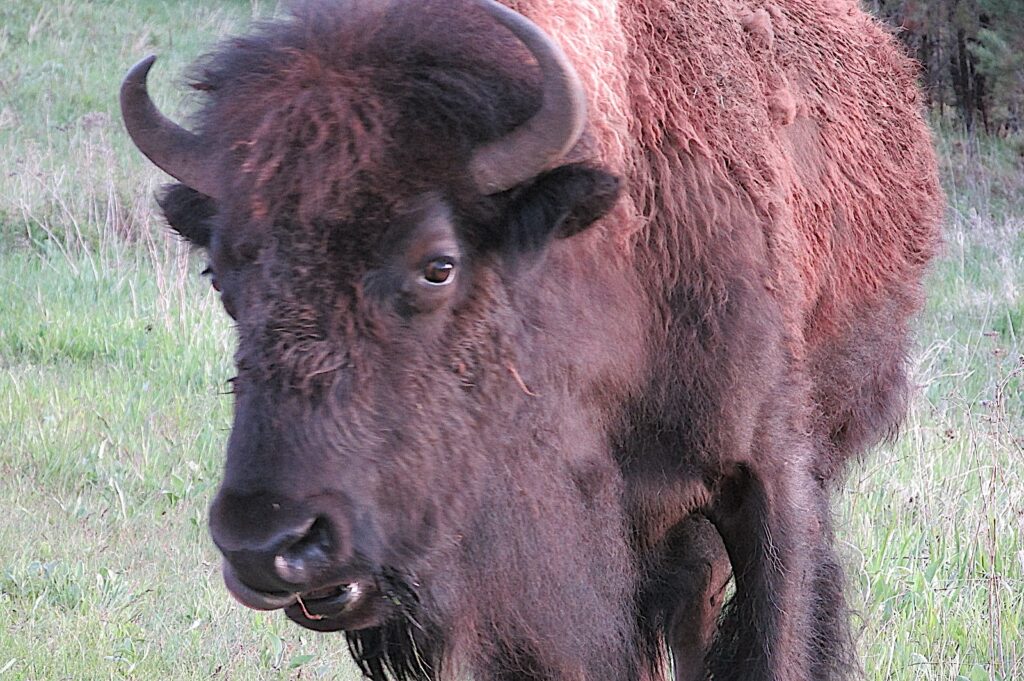
At 2000 pounds, these babies are the heaviest land animal in North America. They can run at horse speeds. They can jump about the same as the old world record in the high jump. Six feet up. Six feet up!
Should you run away? Look at the tail. If it’s standing straight up, go, go, go. Go! Get your sorry ass out of there; it may be preparing to charge. And if you pray, throw that into the mix.
caterpillar
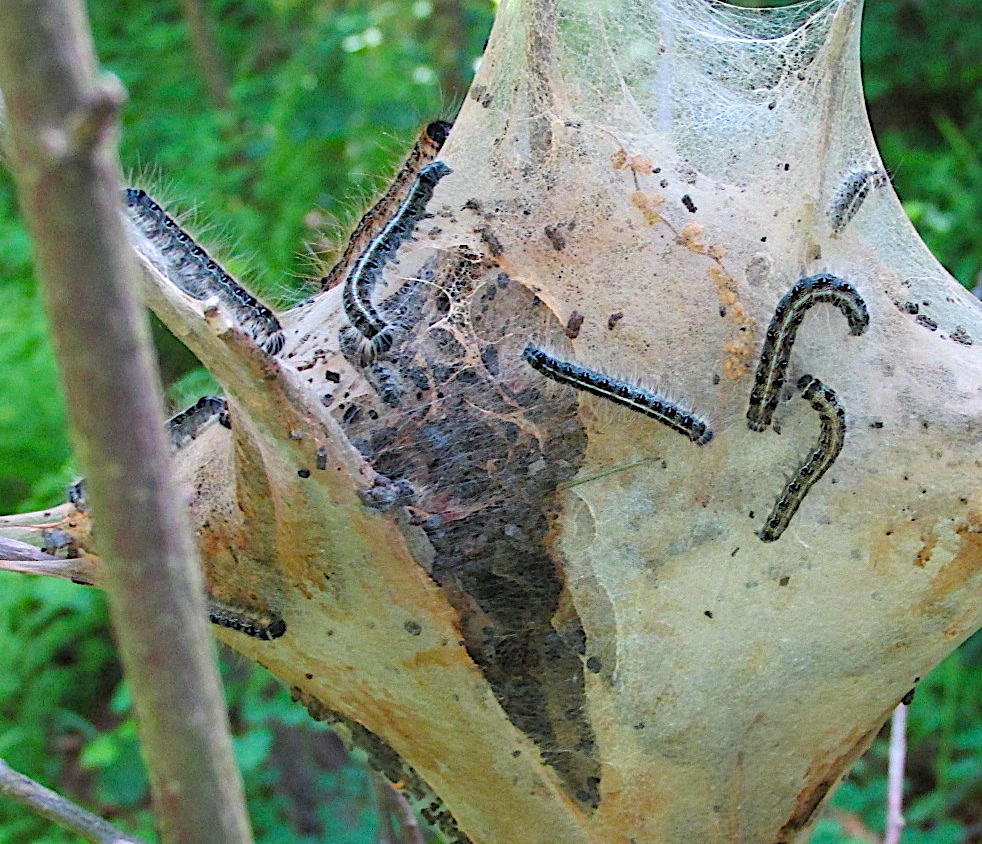
Caterpillars can… what is it that they do? — undulate? squiggle? — at a rate of 6.2 feet per minute, or 2.1 feet per minute, depending on whether it’s before or after dinner.
In human terms, this is not fast. We can dust them.
moose
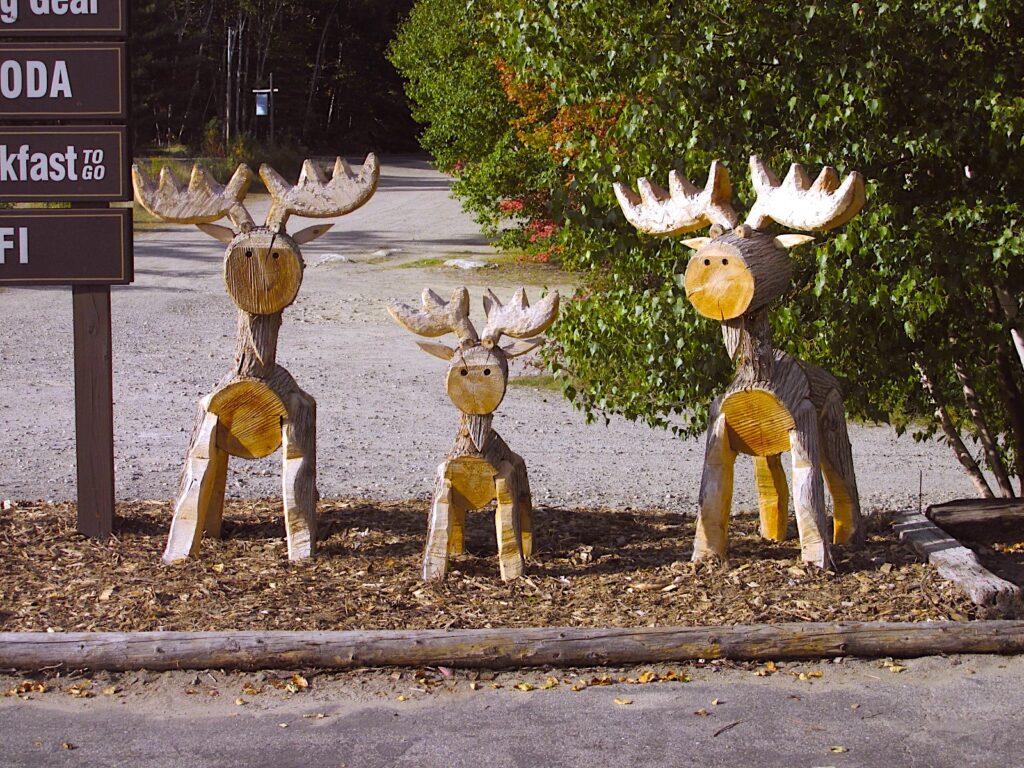
Many years ago, I encountered a moose on the hiking trail in the remote wilderness of Maine. I had no idea what to do. I knew nothing of the habits and inclinations of moose. More recently I asked Lisa’s dad, Earl, about moose. He has spent his entire life as a resident of Maine so I figured he might know a thing or two (which he usually does.)
“So Earl, I once encountered a moose on the trail. What would have been the best thing for me to do? Try to hide? Run away? Stand my ground and make noise?”
He considered for a moment, got a little grin on his face and said, “I don’t know.”
“Hmm?”
“No one knows. Moose are unpredictable. They may come at you, they may ignore you. Can’t tell from one moose to another.”
Don’t moose with me.
cheetah
Now we’re getting to the sexy animals. Cheetahs are beautiful cats. Just be careful that if you see one running, 1) you don’t get mesmerized by its grace, and 2) it’s not running toward you.
cow
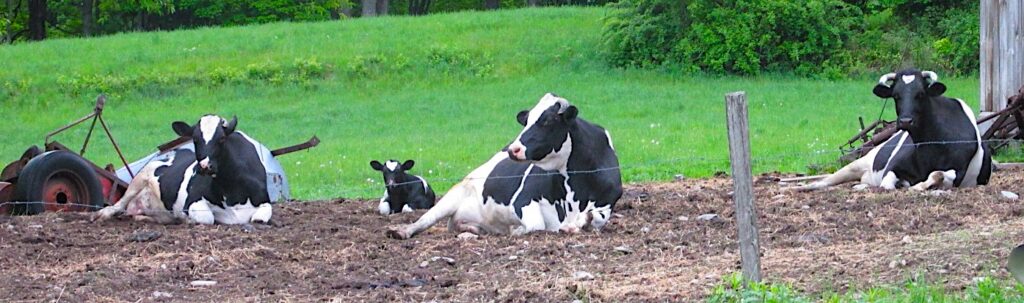
Some say a cow can run at 25 mph. Perhaps this is a little surprising for an animal that chews sideways and farts more than Uncle Izzy. It is however, a milk factory. That’s worth something.
butterfly
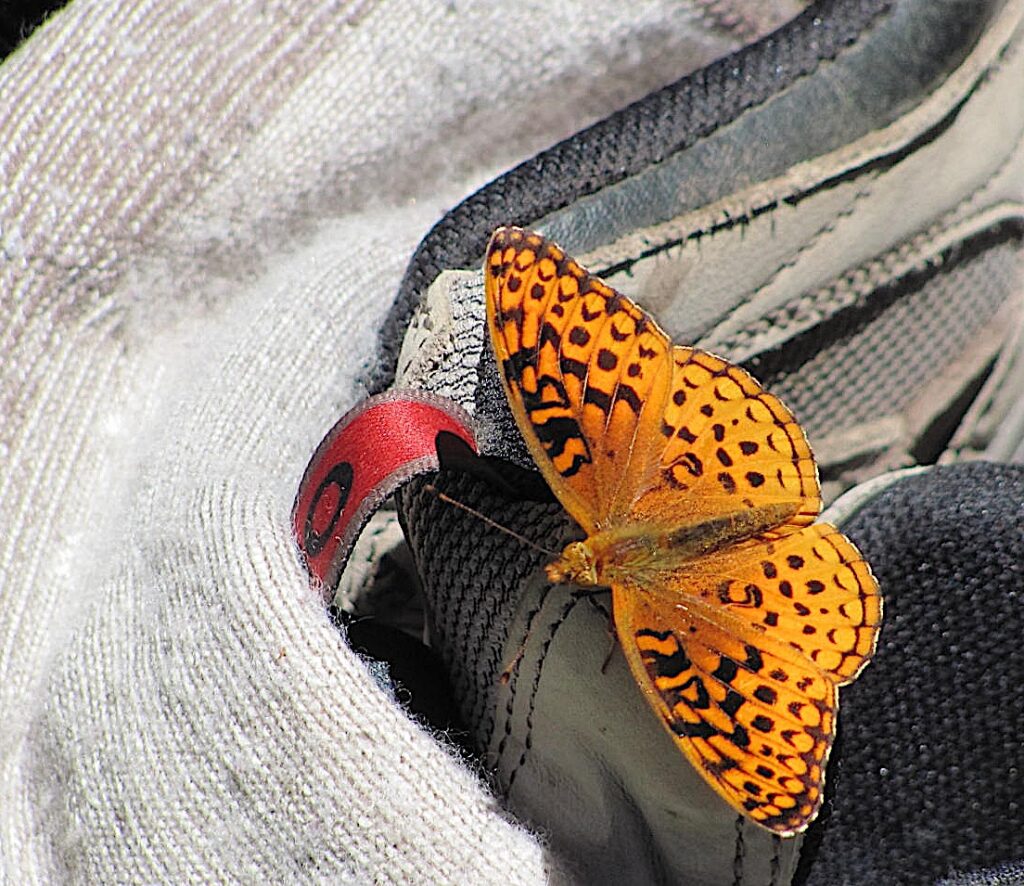
According to the Carnegie Museum of Natural History here in Pittsburgh, the butterfly is able to get it on up to 37 miles per hour. I don’t know if that means much considering how vicious butterfly attacks aren’t, and the fact that they change directions so often it seems that their flight, while it isn’t, is pointless. No danger here.
snail
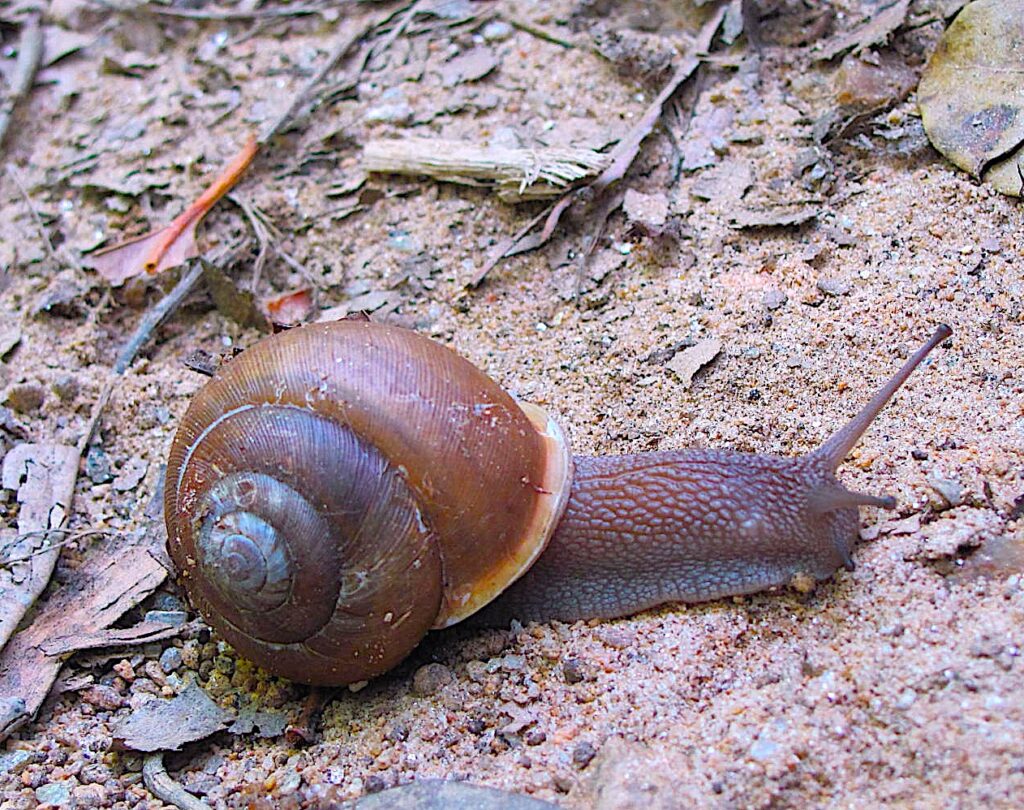
C’mon!
polar bear
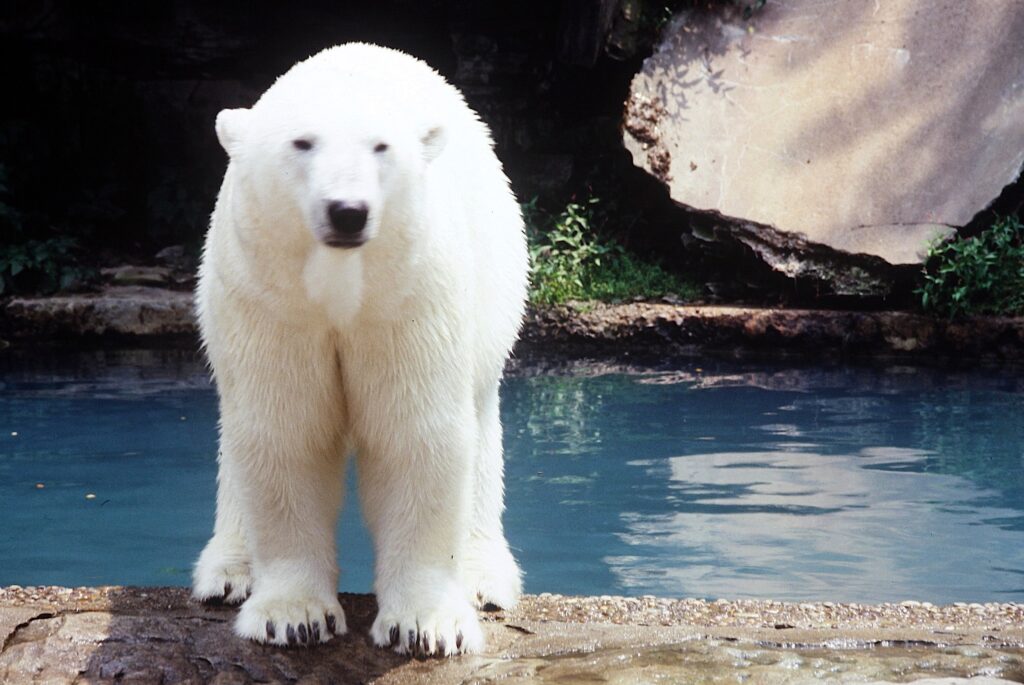
These cuties have a nasty reputation. While they could easily rip all your limbs off, they would actually rather avoid a confrontation. Whatever, get a good head start and keep running until you get south of Canada.
grizzly bear
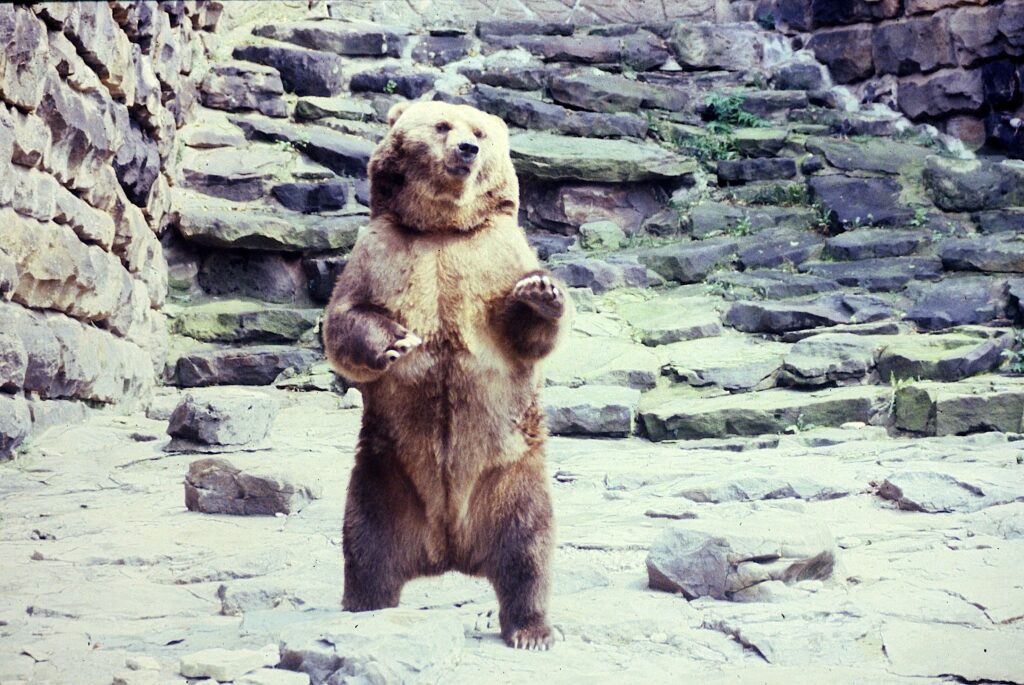
Likely very interested in your food. But that won’t save you from these bad mofos. As Shakespeare once said when giving advice to avoid danger, “Get thee hence!”
wild boar
These critters are not known as “wild” for their party habits. They are very fast, even at 200 pounds, and will chase you down. Watch out for their sharp tusks.
puppy
They can outrun you. Better to focus on how cute they are.
axolotl
Even though they are known as Mexican walking fish, axolotls do not walk, nor do they run. They are fish.
No, they’re not. They are amphibians. This is important. To the axolotl.
black bear
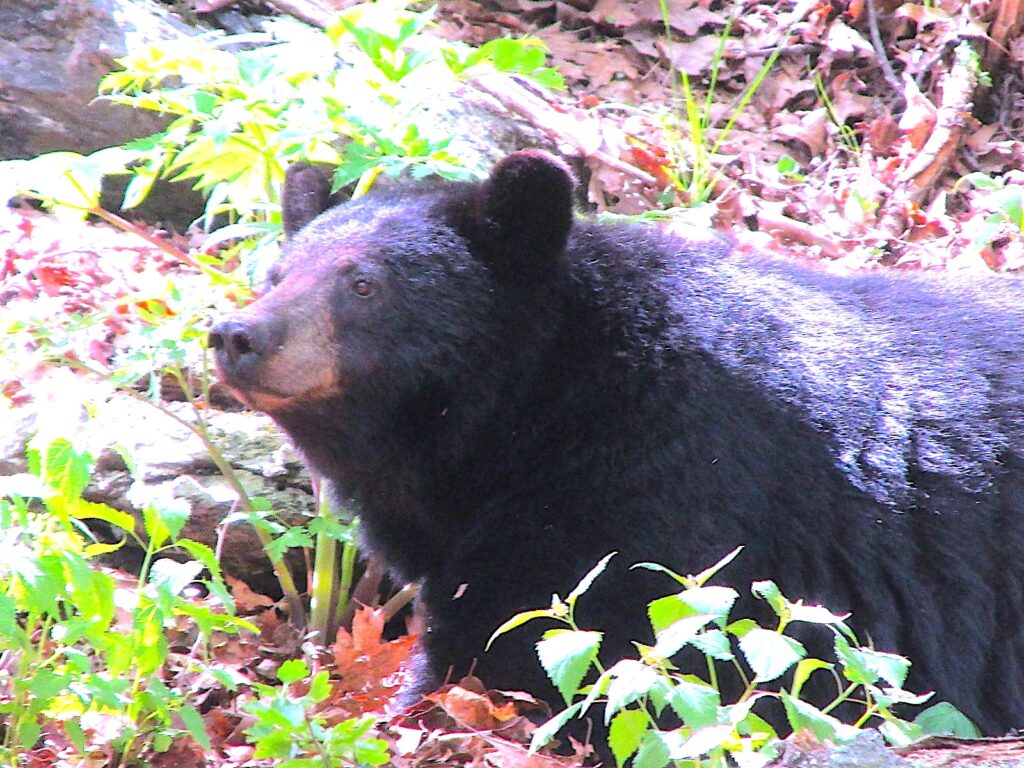
You cannot outrun a bear. You cannot out-climb a bear. You cannot hide from a bear. You cannot out-eat a bear. You are much weaker than a bear.
Clearly you cannot out-bear a bear, and they are good at all these things: running, climbing, hiding, eating, fighting. You might be smarter than a bear, but you two won’t be having a debate.
sorry ass
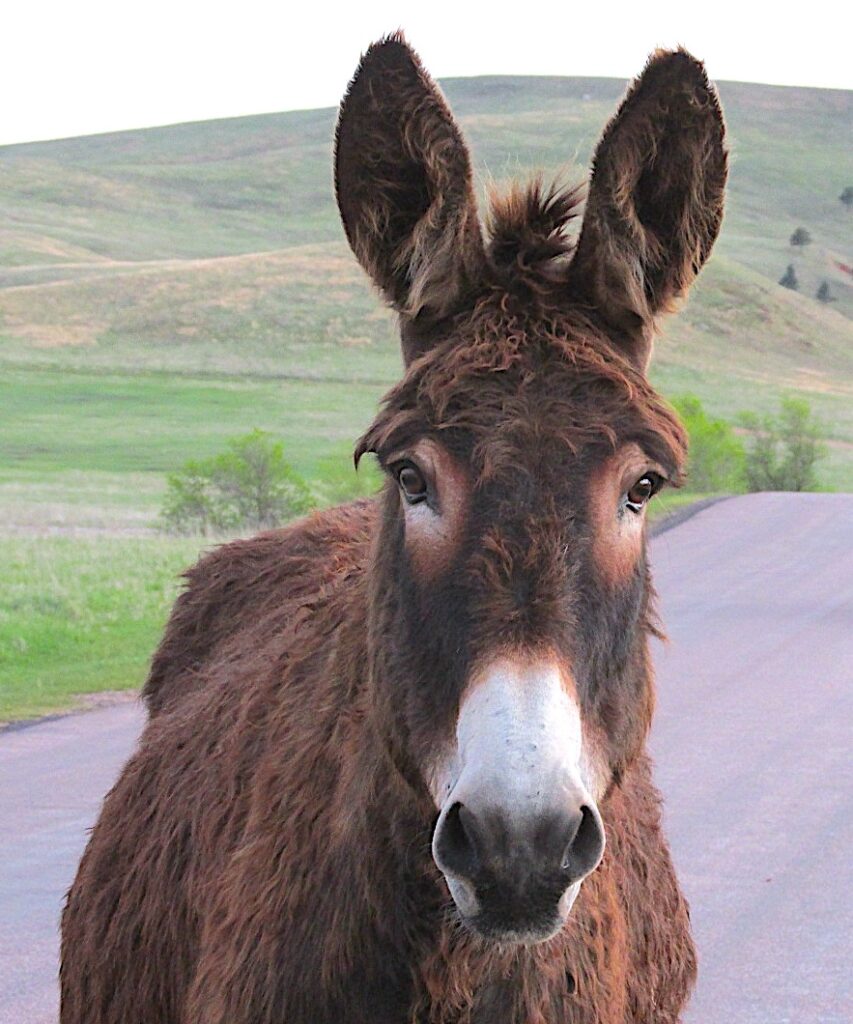
I’ve certainly referred to your sorry ass enough times here, so let’s see what we’ve got.
Ass: 15 mph
Your sorry ass: 10 mph
You lose.